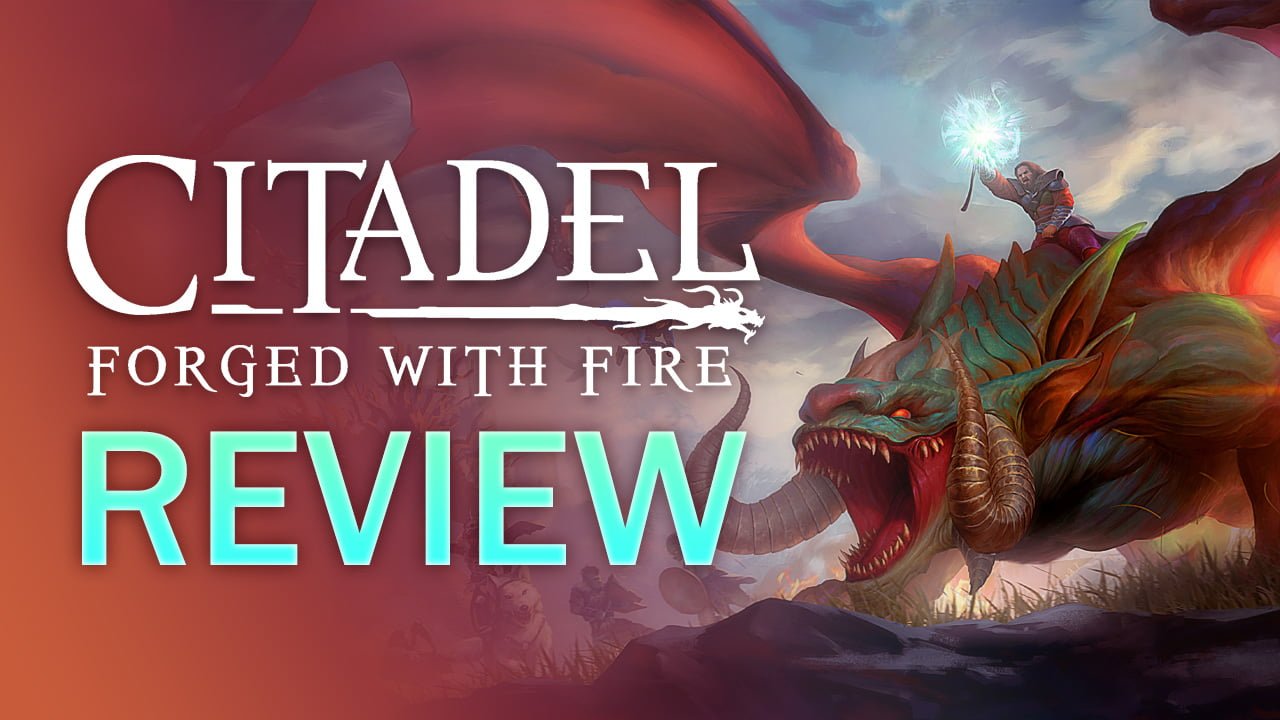
“Citadel: Forged with Fire,” developed by Blue Isle Studios, is an ambitious sandbox RPG that aims to blend the allure of magic with the creative freedom of building and exploration. Set in the mystical world of Ignus, the game invites players to forge their destiny amidst a realm teeming with secrets and magical creatures. But does this concoction of spellcasting and construction truly captivate, or does it fizzle out like a poorly conjured spell? Let’s delve into the magical world of “Citadel” with a critical eye.
Gameplay and Mechanics
The game starts on a promising note with its extensive character creation suite, allowing for detailed customization of your wizard avatar. However, once you step into the world of Ignus, the game’s shortcomings begin to surface. The skill tree, while comprehensive, leads to a gameplay experience that feels unbalanced and at times directionless. The freedom to specialize in various magical spells, combat techniques, and crafting skills is undermined by a lack of clarity and purpose in the progression system.
One of the game’s more interesting features is the ability to tame and ride mythical creatures, which adds a unique dimension to exploration. However, this aspect, much like the rest of the game, suffers from a lack of depth and feels more like a missed opportunity than a fully realized mechanic.
The base-building element of the game is another area where “Citadel” shows potential but ultimately falls short. The process can be unnecessarily complex and frustrating, especially with the confusing resource requirements and building restrictions.
Visual and Audio Presentation
The visual presentation of “Citadel: Forged with Fire” is an aspect where the game shows a glimmer of its potential, but also where it falls short of expectations. The game’s world of Ignus is visually appealing with a strong, albeit derivative, art style and a vibrant color palette. The landscapes are diverse, ranging from dense forests to towering mountains, providing a visually rich backdrop for exploration and adventure. However, the game’s beauty is often overshadowed by its technical shortcomings. The combat visuals are particularly problematic, with sluggish hit detection and enemy attack animations that lack fluidity. This inconsistency in visual feedback during combat can be disorienting and detracts from the player’s engagement in battles.
Additionally, the game’s building mechanics, while conceptually sound, are plagued by visual glitches and a lack of precision in placement. Players may find themselves struggling to align structures correctly, which can be frustrating and breaks the immersion that the game’s visuals otherwise strive to create.
Multiplayer Experience
The multiplayer aspect of “Citadel: Forged with Fire” is one of its more promising features, offering players the chance to join clans, engage in PvP battles, and collaborate in building and exploration. The clan system adds depth to the game, allowing for the creation of alliances and rivalries that can lead to dynamic and engaging player interactions. However, this system is not without its flaws. The balance in multiplayer encounters often feels skewed, with newer players finding themselves at a significant disadvantage against more experienced and better-equipped players. This imbalance can lead to a frustrating experience for those new to the game.
Furthermore, while the idea of constructing and raiding fortresses with friends or clan members is appealing, the execution is hampered by the game’s technical issues. Lag, server instability, and glitches can disrupt the flow of multiplayer sessions, diminishing the enjoyment of cooperative play.
Story and Narrative
The absence of a traditional storyline in “Citadel: Forged with Fire” is a significant shortcoming. The open-world nature of the game offers players the freedom to create their own narratives, but this freedom comes at the cost of direction and purpose. Without a structured story or compelling quests, the game often feels aimless and lacking in motivation. The world of Ignus, while visually appealing, lacks depth in its lore and background, making the game’s setting feel superficial rather than immersive.
The game’s world-building elements, such as the history of Ignus and the role of magic within it, are not sufficiently explored or integrated into the gameplay. This lack of narrative depth makes the experience feel hollow and can leave players wondering what they are fighting for or striving to achieve within the game.
Technical Performance
On the technical front, “Citadel: Forged with Fire” faces several challenges. The game’s performance on lower-end systems is a concern, with high resource demands leading to frame rate drops and occasional stuttering. This issue is particularly noticeable in areas with high player activity or complex structures, which can significantly impact the gameplay experience.
Moreover, the game suffers from various bugs and glitches that can affect everything from basic movement to combat and building. These technical issues not only disrupt the flow of the game but also raise questions about the overall polish and optimization of the product. Players might find themselves dealing with unexpected game crashes, items disappearing, or encountering invisible barriers, all of which contribute to a sense of frustration and disappointment with the game’s performance.
Pros
- Extensive character customization
- Concept of taming and riding mythical creatures
- Clan system in multiplayer adds a social dimension
Cons
- Lack of a compelling storyline
- Unbalanced and often aimless gameplay mechanics
- Technical issues affecting combat and building
- High system requirements for optimal performance