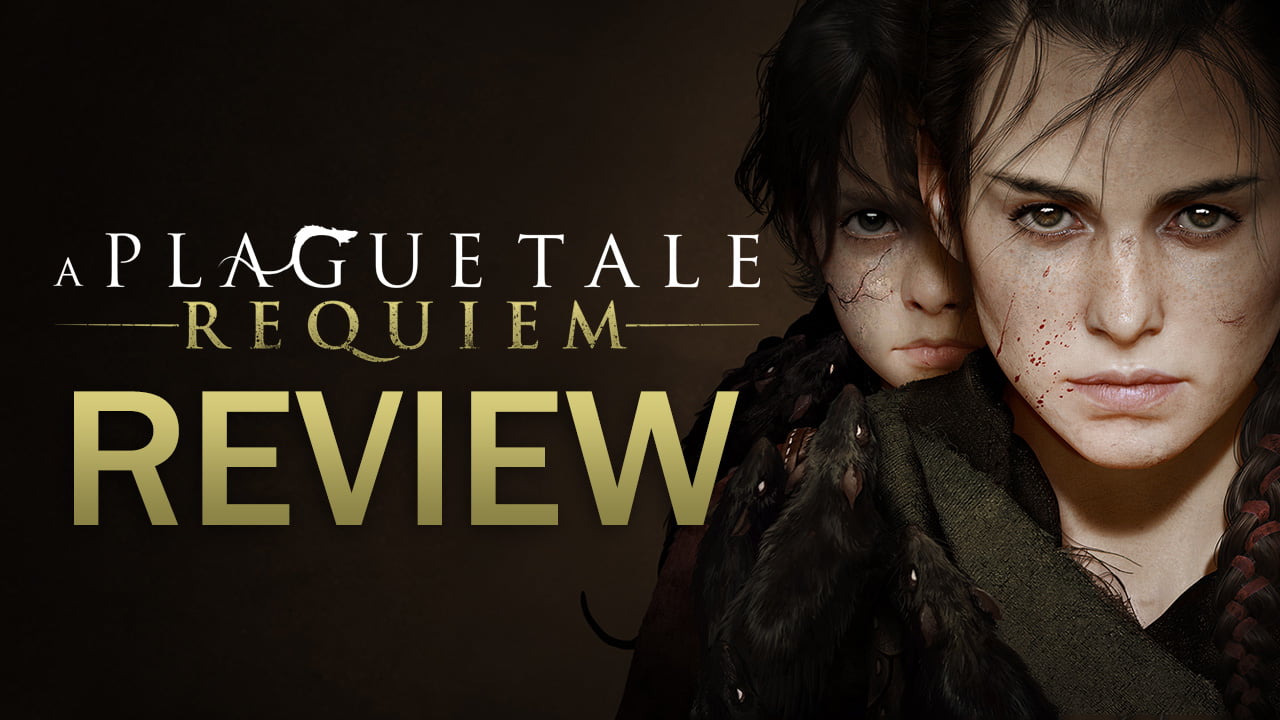
In the shadowed alleys of medieval France, “A Plague Tale: Requiem” beckons players into a world where darkness, desperation, and the relentless pursuit of survival intertwine. Following its predecessor, “A Plague Tale: Innocence,” this sequel elevates the saga of Amicia and Hugo de Rune to new heights, promising a journey both haunting and exhilarating. As players embark on this chapter, they are invited to navigate through a tapestry of stealth, combat, and emotional narrative that aims to captivate and challenge in equal measure.
Gameplay and Mechanics:
“A Plague Tale: Requiem” refines and expands the gameplay elements that defined its predecessor. Amicia, the protagonist, now exhibits enhanced combat skills, capable of countering armored enemies and utilizing her sling in more creative ways. However, the game’s heart lies in its stealth mechanics, compelling players to use cunning and strategy rather than brute force. The environments, while often linear and confined, add to the game’s tense atmosphere, emphasizing the protagonists’ vulnerability.
New gameplay elements are introduced as the story progresses, including a deadly crossbow and more intricate ways to control the plague-bearing rats. These rats, central to the game’s unique brand of horror, can be directed to overcome obstacles and enemies, adding a disturbing yet satisfying element to the gameplay. The game also boasts more open-ended stealth sequences, allowing players to experiment with different approaches and tactics.
Gameplay Evolution and Pacing
The gameplay mechanics evolve as the story unfolds, introducing more complex scenarios. The balance between stealth, action, and narrative pacing keeps the gameplay from feeling monotonous. The game’s world encourages exploration and interaction, with quiet moments allowing players to uncover rich lore.
Visuals and Atmosphere
Visually, “A Plague Tale: Requiem” is a masterpiece. Its medieval setting is rendered with a painterly aesthetic, boasting a color palette that enhances the narrative’s emotional depth. Moments of beauty contrast starkly with the grim reality of a land ravaged by plague, creating a rich, immersive world that is both beautiful and haunting.
Narrative and Characters
The story remains a pillar of the game’s appeal. The bond between Amicia and Hugo drives the narrative, posing moral quandaries and emotional depth. New characters add layers to the story, enriching the overall experience. The narrative’s pacing has its ups and downs, with some sections dragging on, while others captivate with their intensity and twists.
Technical Aspects and Performance
The game showcases significant improvements in technical aspects, particularly in the rendering of the rat swarms. However, players may encounter occasional frame rate drops and visual bugs. The absence of last-gen versions is likely due to the game’s demanding graphical requirements.
Sound Design and Voice Acting
The sound design and voice acting are exceptional, with ambient sounds and performances that add to the narrative’s impact. The emotional range of the voice actors, particularly Charlotte McBurney as Amicia, enhances the game’s immersive experience.
Player Engagement and Replayability
The game scores high on player engagement, encouraging exploration and experimentation. The main storyline is linear, but side areas and optional objectives add a level of replayability for those who wish to fully explore the game’s world.
Pros
- Enhanced combat and stealth mechanics.
- Visually stunning, with a unique artistic style.
- Strong narrative driven by well-developed characters.
- Innovative use of rat swarms in gameplay.
- Balanced gameplay evolution and pacing.
- Exceptional sound design and voice acting.
Cons
- Some gameplay sections can feel dragged out.
- Linear level design limits exploration.
- Occasional technical issues and bugs.
- The game’s handholding can diminish the sense of player agency.